
Before we get into different treatment options I want to start by saying this:
Healing is not linear, it takes time and you will still have bad days. None of these options guarantee that your pain will be eliminated completely. This is about your Quality of Life: Live a life that is somewhat up to your standards while using these pain management tools!

“For those with the most character, God creates the greatest challenges” - Dr. Dale Hall
Non-Invasive Pain Management Options
Zinc
Anti - Inflammatory Pain Relievers - Tylenol, Ibuprofen, Asprin
Ice - my favorite ice pack!
Ice Baths - The Best Way to Do an Ice Bath
KT taping - this is one I would advise consulting a medical professional on the best way based on your specific situation
Heat packs
CBD cream
Stretching/ yoga
Diaphragmatic breathing - my favorite guide
Foam rolling - my favorite exercises
Vacuum Bell Therapy
Physical Therapy - More Details Below
Massage Therapy
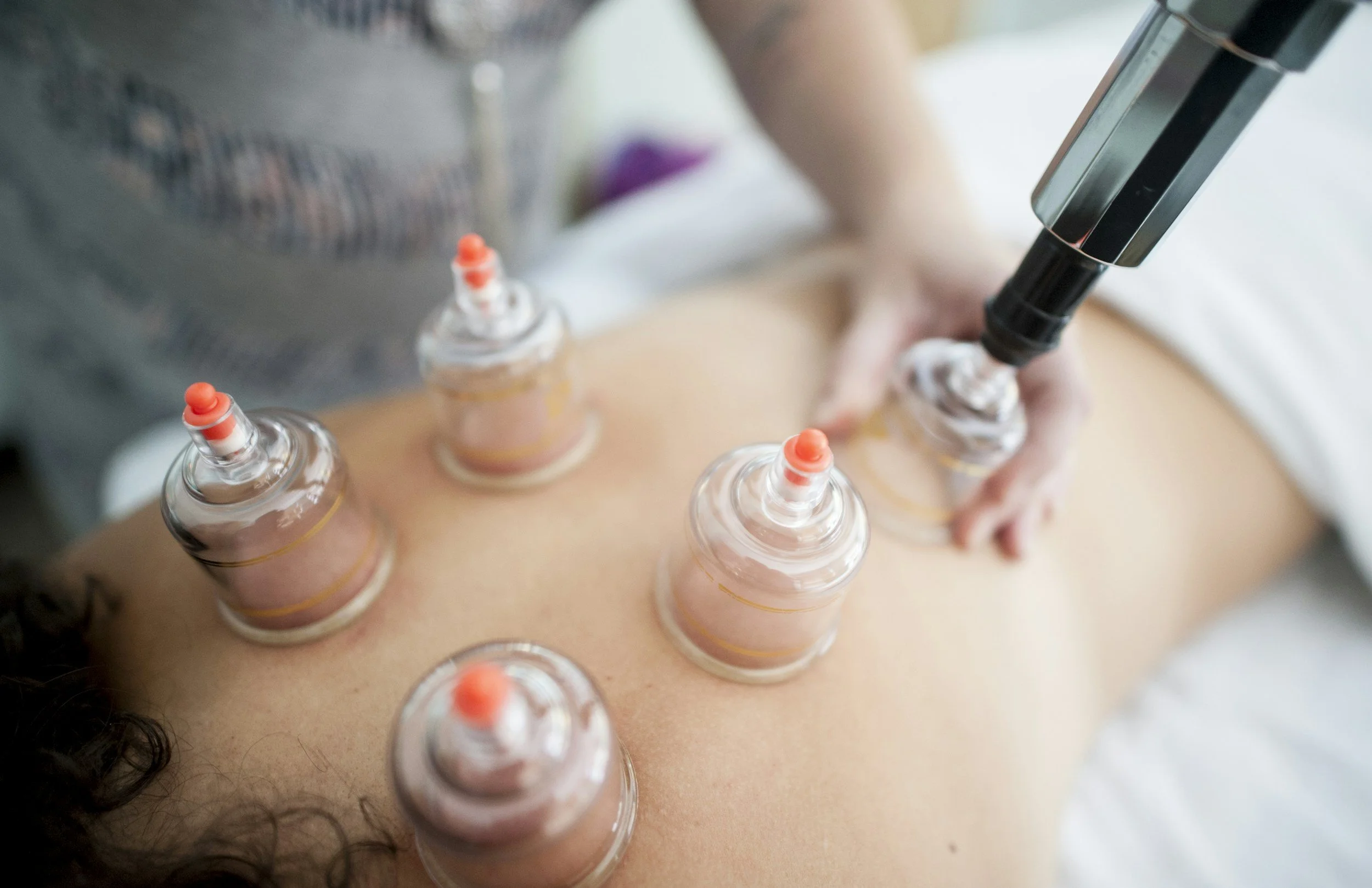
Dry needling or cupping - done by a licensed professional
None of these tools should be considered medical advice, these are strictly pain management tools that have helped me!
Surgical Intervention:
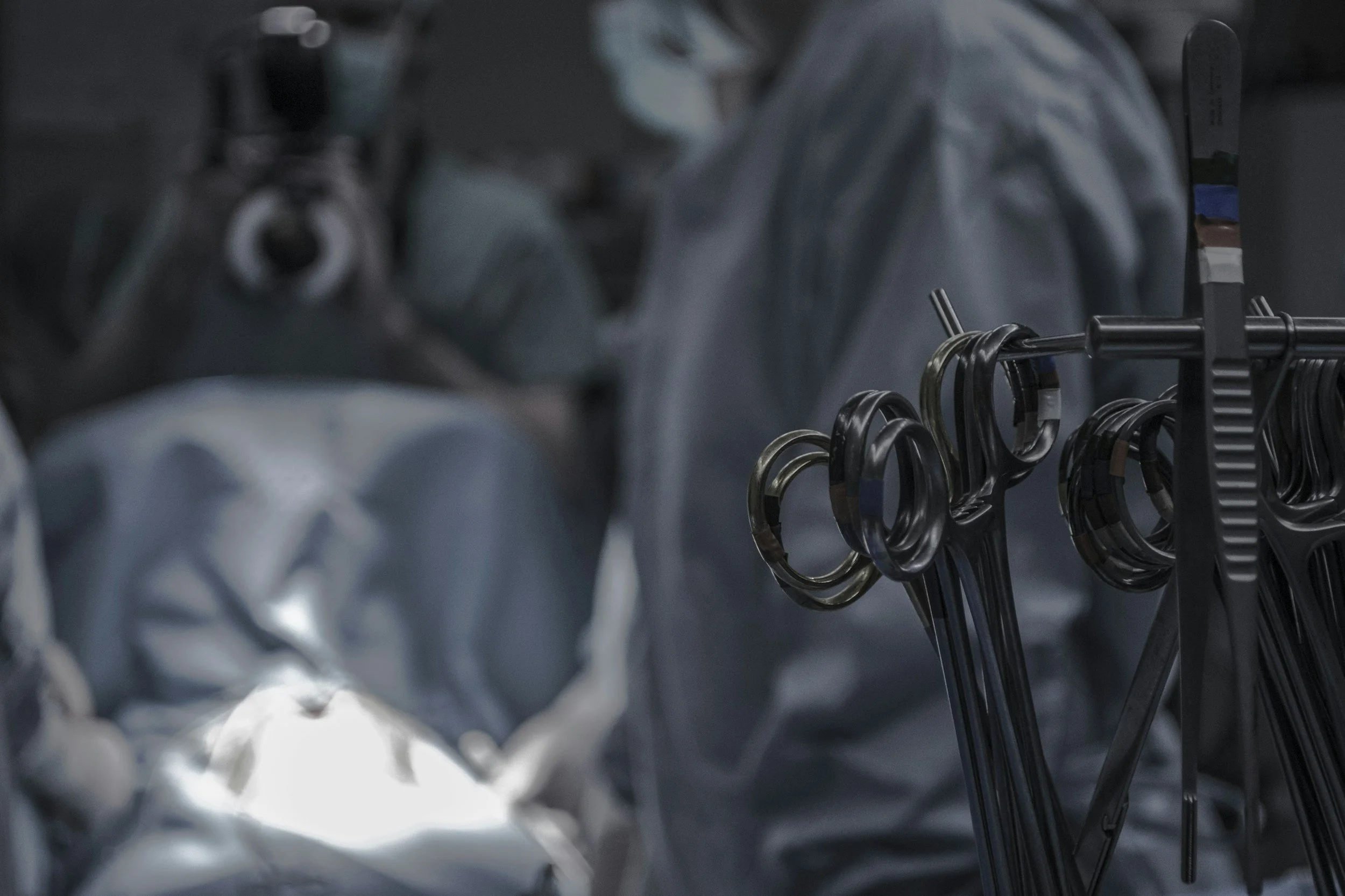
There are a variety of different surgeries that can be done to fix your deformity. Every surgery is customized to your deformity and no two surgeries are the exact same. Some of these surgeries include:
The Nuss Procedure - This surgery is considered “minimally invasive” as this surgery includes inserting a bar from the patient’s side and lifting the sternum by flipping the bar. This bar typically stays in for multiple years to allow the sternum to adjust to its new position.
The Ravitch Procedure - This surgery is considered “invasive” due to usually being cut open from the center of the chest and removing deformed cartilage. Typically this surgery also includes placing a metal bar behind the sternum to lift the chest.
The Sandwich Technique - The sandwich technique includes placing two bars (one in front and behind) the sternum to position the chest wall in a very specific place.
The website below can assist in finding the right surgeon for you:
None of these tools should be considered medical advice, these are strictly pain management tools that have helped me!
The Psychological Component:
It is important to remember that talk therapies can also be key in your healing journey, especially for chronic pain patients! It's okay to ask for help and important to find tools and coping mechanisms that will help you through this journey!
Physical Therapy:
Physical Therapy is extremely important in order to physically prepare you for surgery and assist in your physical recover to ensure the best outcome after surgery. Physical Therapy can also be used to prevent surgery in some cases so it is important to be consistent and take it seriously. I have provided a PDF file of some of the exercises that have helped me. Adjust and modify these exercises based on your capabilities and what you are comfortable doing. Remember to consult your doctors before working on these exercises.
Follow Us on Social
Disclaimer: